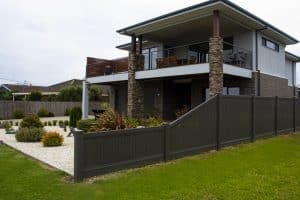
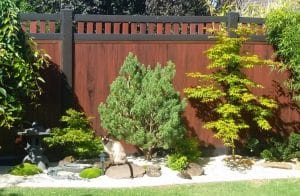
Discover how advanced recycling technology transforms post-industrial waste into durable, sustainable recycled PVC fencing solutions that protect our environment while delivering superior performance for residential and rural applications.
Turning PVC Waste Into High-Performance Fencing
PVC is one of the most durable materials used in construction. It’s strong, weather resistant and long lasting. But like many building materials, manufacturing creates waste.
Offcuts, rejected profiles and production overruns have historically ended up in landfill because recycling PVC at scale is technically difficult.
At Think Manufacturing, we decided that wasn’t good enough.
Rather than treating PVC waste as an unavoidable by-product of production, we made it the starting point for a better solution.
The Problem With PVC Waste
Across Australia, thousands of tonnes of PVC waste are generated every year through manufacturing and construction.
For decades, much of this material has been difficult to recycle. PVC degrades under heat and can contaminate other plastic streams, which means many recycling facilities simply reject it.
As a result, large volumes of perfectly usable material have traditionally been sent to landfill.
Yet PVC itself remains an incredibly valuable material because of its durability, structural strength and resistance to weather.
The real challenge isn’t the material. It’s finding better ways to keep it in use.
A Different Approach to Recycling
Think Manufacturing partnered with CSIRO to explore how complex PVC waste streams could be recycled and reused in durable building products.
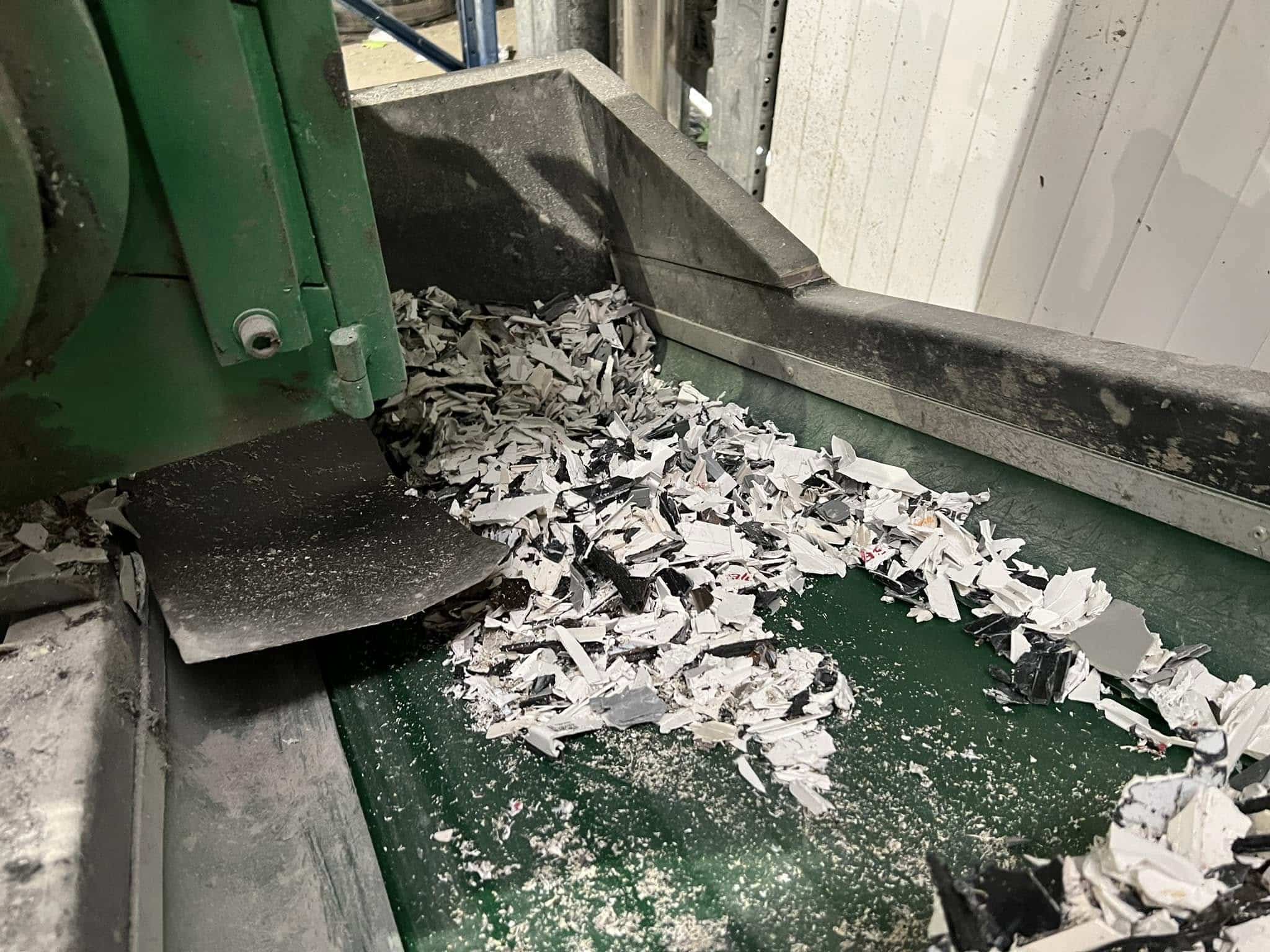
Through years of development, the team created advanced recycling and compounding processes capable of transforming post-industrial PVC waste into stable, high-performance composite materials.
The process begins by collecting PVC waste from manufacturing operations where offcuts and rejected material accumulate.
That material is then:
- Sorted and cleaned
- Ground into uniform particles
- Stabilised through proprietary formulations
- Reprocessed into engineered composite profiles
These recycled composites are then extruded into fencing components including posts, rails and panels.
The result is a material designed to deliver the durability and structural performance expected from modern fencing systems.
Diverting Waste From Landfill
Recycling PVC waste has two important environmental benefits.
First, it prevents large volumes of material from entering landfill where plastics can persist for centuries.
Second, it reduces the need to manufacture new virgin material.
By giving PVC waste a second life in long-lasting products, the material remains in circulation for decades rather than being discarded after a single use.
This approach aligns with Think Manufacturing’s commitment to what we call our War on Waste. It’s about actively finding ways to reduce waste in the building materials industry.
Performance That Lasts
Sustainability means little if the final product can’t perform.
Recycled PVC fencing is engineered to withstand the conditions that cause traditional fencing materials to fail.
Unlike timber, PVC does not rot, split or absorb moisture. It maintains dimensional stability and structural integrity even in harsh weather conditions.
The material is also resistant to insects, corrosion and environmental degradation, which removes the need for chemical treatments and regular maintenance.
For property owners, this means a fence that stays straight, strong and visually consistent for decades.
Designed for Modern Applications
Recycled PVC fencing is used across a range of environments including residential, rural and commercial properties.
Systems like Titan Rail combine recycled PVC components with high-tensile wire to create safe, highly visible fencing solutions for horse properties and rural land.
The PVC components provide visual definition while the wire delivers the strength needed to contain livestock safely.
Because the material is manufactured to precise specifications, installation is also faster and more consistent than natural timber.
Supporting a Circular Economy
Recycling PVC waste isn’t just about reducing landfill. It’s about rethinking how materials move through the entire manufacturing lifecycle.
Rather than following the traditional path of extraction, use and disposal, recycled PVC fencing helps create a circular system where materials are continually reused.
- Waste from one manufacturing process becomes the raw material for another
- Products are designed to last longer
- Materials can be recovered and recycled again at end of life
A Better Way to Build
Building products are typically judged by cost and durability. Increasingly, they are also judged by their environmental impact.
By transforming PVC waste into durable fencing systems, Think Manufacturing is proving that performance and sustainability don’t need to be competing priorities.
Instead of accepting waste as inevitable, we’re turning it into the foundation of long-lasting products that support a more responsible manufacturing future.